Surgery Is Not a Weight-Loss Treatment
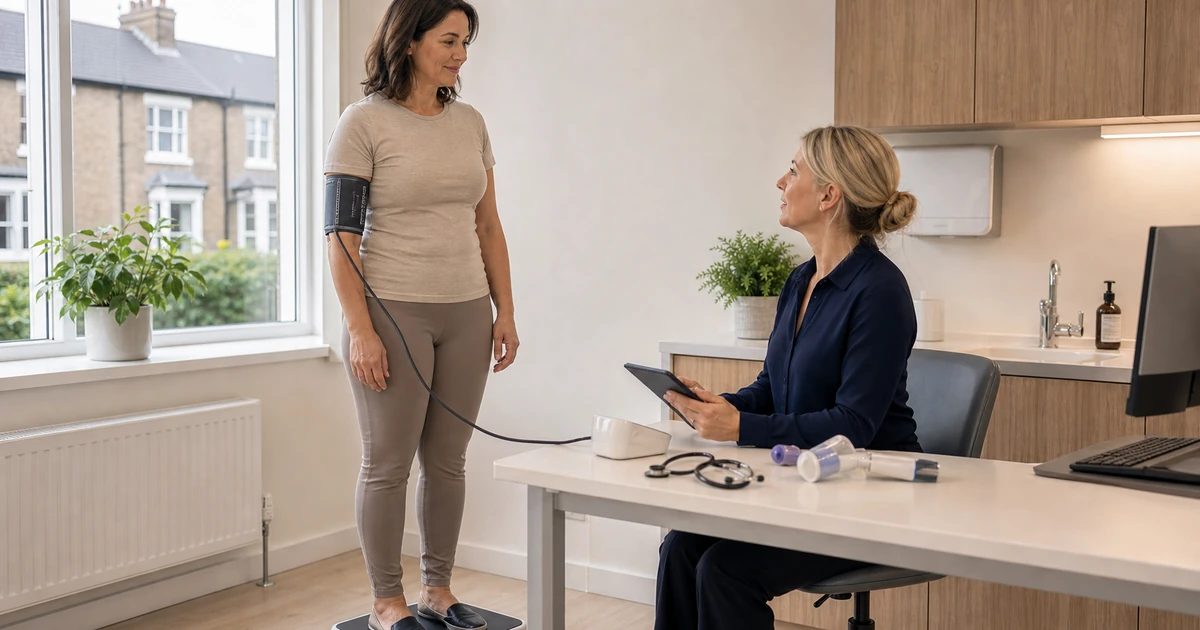
Cosmetic surgery reshapes; it does not treat obesity. Procedures like liposuction remove localised fat pockets in a person of stable, healthy weight — not overall body weight. Weight-loss treatment is medical and typically involves lifestyle, medication, or bariatric routes — a different pathway with a different specialist team. A surgeon recommending weight loss before considering a body-contouring procedure is giving you a safety-based answer, not a personal opinion about your appearance.
BMI and Why Surgeons Set Limits
BMI thresholds in cosmetic surgery are safety-based. Higher BMI increases the risk of anaesthetic complications, venous thromboembolism (blood clots), wound problems and infection — the same general risks covered in more depth on Risks & Complications. Different procedures have different BMI ceilings; abdominal work typically has stricter ceilings than facial work, reflecting the different tissue and healing demands involved. These limits are set by surgeons and anaesthetists for outcome and safety, not judgement of body size, and a surgeon who declines to operate above a certain BMI is applying the same standard they would to any patient.
Skin Quality and Age
Skin quality determines what surgery can do. A neck lift on smoker's-thin, sun-damaged skin gives a different result than the same operation on well-preserved skin, because the skin's own elasticity and healing capacity do much of the work alongside the surgical technique itself. Age is not a hard barrier; general health and skin condition matter more than a number on their own.
Health Factors
- Smoking: significantly increases wound and healing complications, since nicotine constricts blood vessels and reduces the oxygen supply tissue needs to heal. Most surgeons require stopping for at least 4 weeks before and 4 weeks after surgery, and some ask for longer around more extensive procedures.
- Medication: some drugs (aspirin, warfarin, some herbal supplements) increase bleeding risk. Disclose everything, including over-the-counter and herbal products, at your pre-operative assessment — see Anaesthetic Options & Safety for how medication review fits into that assessment.
- Chronic conditions: diabetes, cardiovascular disease and autoimmune conditions all need optimisation beforehand — surgery is generally safer once these are well controlled rather than borderline.
- Mental health: depression, anxiety and body-image concerns are all relevant to a proper assessment — covered in detail below.
Realistic Expectations: What Surgery Can and Can't Fix
Surgery changes anatomy; it does not fix mood, relationship difficulties or self-esteem on its own. A realistic-expectations conversation at consultation should cover what a procedure can plausibly achieve for your specific anatomy, the range of outcomes previous patients have had rather than a best-case example, and how you'd feel about a result that falls short of your ideal. If a consultation moves straight to booking without this conversation, that's worth noticing.
Body Dysmorphic Disorder: Why Responsible Screening Matters
Where dissatisfaction with appearance is severe, persistent, and focused on a flaw that other people don't see as significant, the picture may include Body Dysmorphic Disorder (BDD)1, a recognised mental health condition. NHS.uk describes people with BDD as worrying "a lot about a specific area of your body (particularly your face)", spending significant time comparing their appearance with other people's, and either checking mirrors repeatedly or avoiding them altogether1. These behaviours go well beyond ordinary self-consciousness about appearance.
This distinction matters clinically because BDD is more common among people seeking cosmetic procedures than in the general population, and the evidence on outcomes is genuinely sobering. A UK-authored review of cosmetic treatment outcomes in BDD, led by researchers including David Veale, a leading UK BDD psychiatrist3, concluded that cosmetic treatment does not reliably improve BDD symptoms and can sometimes leave them unchanged or worse, even when the surgical result itself is technically good. This is in line with NICE guideline CG31 on OCD and BDD treatment2, which sets out psychological therapy, not surgery, as the evidence-based response.
This is a compassionate observation, not a diagnosis — only a qualified clinician can properly assess BDD, and this page is not attempting to. If any of the patterns above sound familiar, the right pathway is psychological support: talk to your GP, or contact the BDD Foundation or a mental health charity such as Mind for guidance. NHS support is available, and seeking it is not a failure or an embarrassment.
What a Responsible Consultation Should Screen For
GMC guidance for doctors offering cosmetic interventions requires that patients' expectations about outcomes are realistic before any procedure goes ahead, and that psychological needs are properly considered as part of that assessment4. In practice, a properly run consultation should:
- Explore your motivation for the procedure and what specific outcome you're hoping for, not just confirm you want to proceed.
- Ask directly about mental health history, including any history of anxiety, depression, or body-image related distress.
- Watch for the BDD patterns described above, and be willing to pause or decline where they're present, referring for psychological assessment rather than proceeding to surgery.
- Give you time to reflect between consultation and booking, rather than pressuring a same-day decision.
- Be honest about the range of realistic outcomes, not just the best-case result.
Some clinics use structured, validated screening questionnaires designed specifically for cosmetic procedure settings as part of this process, on top of an open clinical conversation. A surgeon or clinic that skips this altogether, or treats any hesitation on your part as an obstacle to overcome rather than a signal to explore, is not meeting this standard.
Timing: When to Wait
- Planning a pregnancy: some procedures (breast, abdomen) are best delayed until your family is complete, since pregnancy and breastfeeding can change the result.
- Unstable weight: stabilise first — significant weight change after surgery, in either direction, can undo or distort the result.
- Life events causing acute stress: bereavement, relationship breakdown, redundancy — wait until you're making the decision from a settled place, not as a response to crisis.
Questions to Ask Yourself Before Booking
- Am I doing this because I want to, or because someone else wants me to?
- What specific outcome would make this worth it?
- What if the outcome is only 70% of what I imagine?
- Would I still make this decision without external time pressure?
- Have I told my surgeon everything about my health and my motivation, or only what I think they want to hear?
FAQ
Is there a BMI limit for cosmetic surgery?
Yes, for safety reasons, and it varies by procedure and clinic. Higher BMI raises the risk of anaesthetic complications, blood clots, wound problems and infection, so abdominal work typically has stricter thresholds than facial work. This is a clinical safety decision, not a judgement about body size.
Can I have surgery if I'm on medication?
Often yes, but disclose everything, including over-the-counter and herbal products. Some medications — blood thinners and certain supplements among them — need pausing or adjusting beforehand. Your surgeon and anaesthetist review your full medication list at pre-operative assessment before confirming you're fit to proceed.
What is body dysmorphic disorder and why does it matter for cosmetic surgery?
BDD is a recognised mental health condition involving distressing, persistent preoccupation with a perceived flaw in appearance that others don't see as significant. Research shows cosmetic treatment does not reliably improve, and can worsen, BDD symptoms — which is why psychological support, not surgery, is the recommended first step.
What should a responsible consultation screen for before agreeing to operate?
A responsible surgeon explores your motivation and expectations, asks about mental health history, checks for signs of BDD, reviews physical health and medication, and allows time for reflection before booking rather than pressuring an immediate decision. Being declined or asked to wait is a safeguard, not a rejection.